

Early Landscape Planning: The Home and Garden as One
Landscape design is often treated as one of the final stages of a building project. Something to consider once the house is designed or construction is already underway. In reality, the most resolved outdoor spaces usually begin much earlier.
Engaging a landscape designer during the initial planning of a new home, renovation or pool allows the entire property to be considered as one connected space. Decisions around levels, access, drainage, views, privacy and outdoor living can then inform the architecture rather than being worked around later.
This is particularly important on the Central Coast, where sloping blocks, coastal exposure, established vegetation and varying site conditions can significantly influence the way a property should be planned.
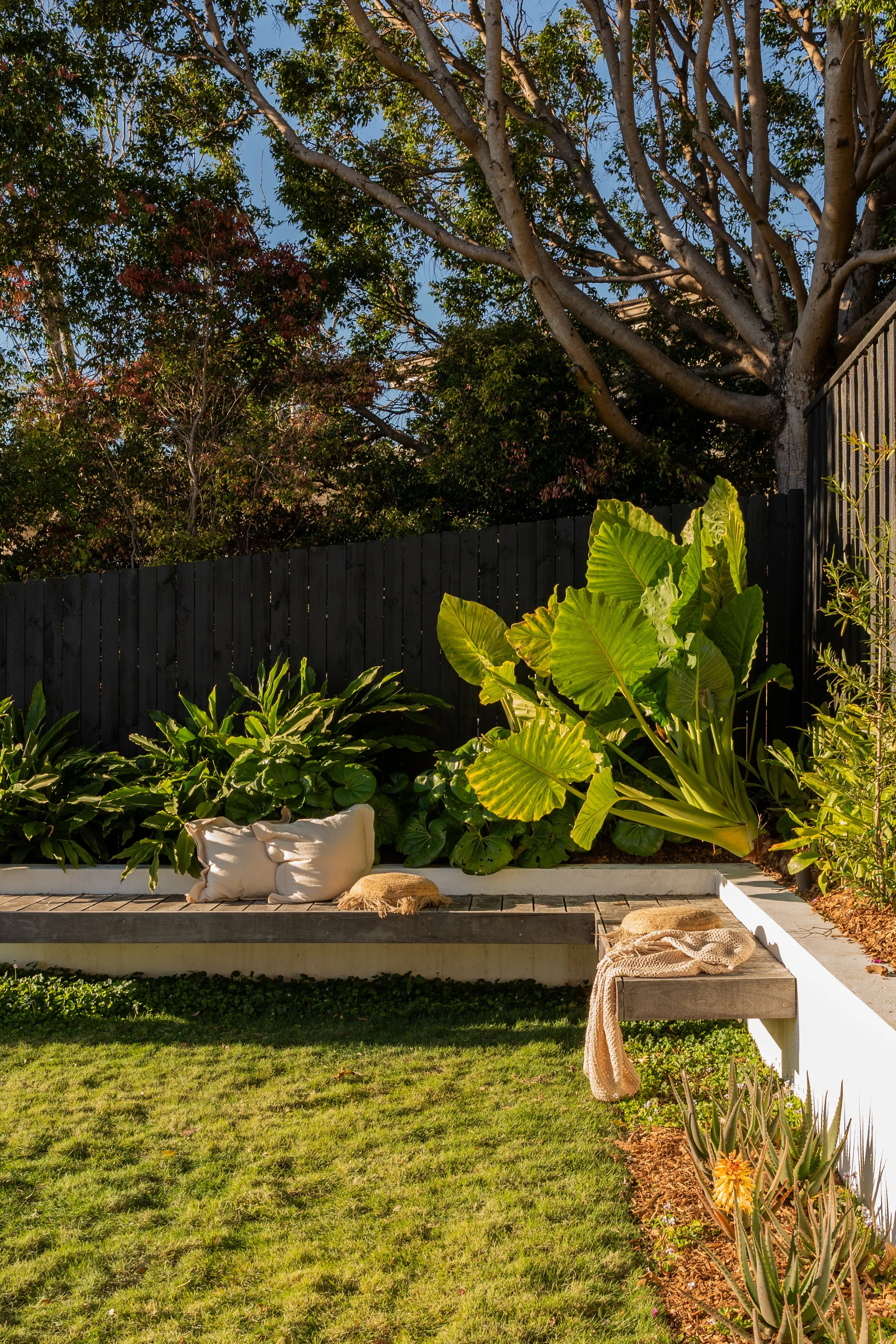
The landscape is part of the architecture
The relationship between the house and garden is shaped by decisions that are often made early.
The position of a door can determine how naturally the home opens onto an entertaining area. Window placement can frame a garden, preserve privacy or capture a view. Floor levels can influence whether the transition outside feels generous and effortless or requires additional steps and retaining walls.
A landscape designer can review these connections while the architectural plans are still developing. The intention is not to complicate the process, but to help the house, pool and landscape respond to each other from the beginning.
Levels are difficult to correct later
Levels are one of the most important parts of early landscape planning, particularly on sloping sites.
Finished floor heights, garden levels, retaining walls, pathways, steps, driveway gradients and pool surrounds all need to work together. They also need to manage water correctly and create comfortable movement through the property.
Once a slab has been poured or major earthworks have been completed, these elements become much harder and more expensive to change. Early landscape input allows potential issues to be identified on paper, when adjustments are still relatively simple.
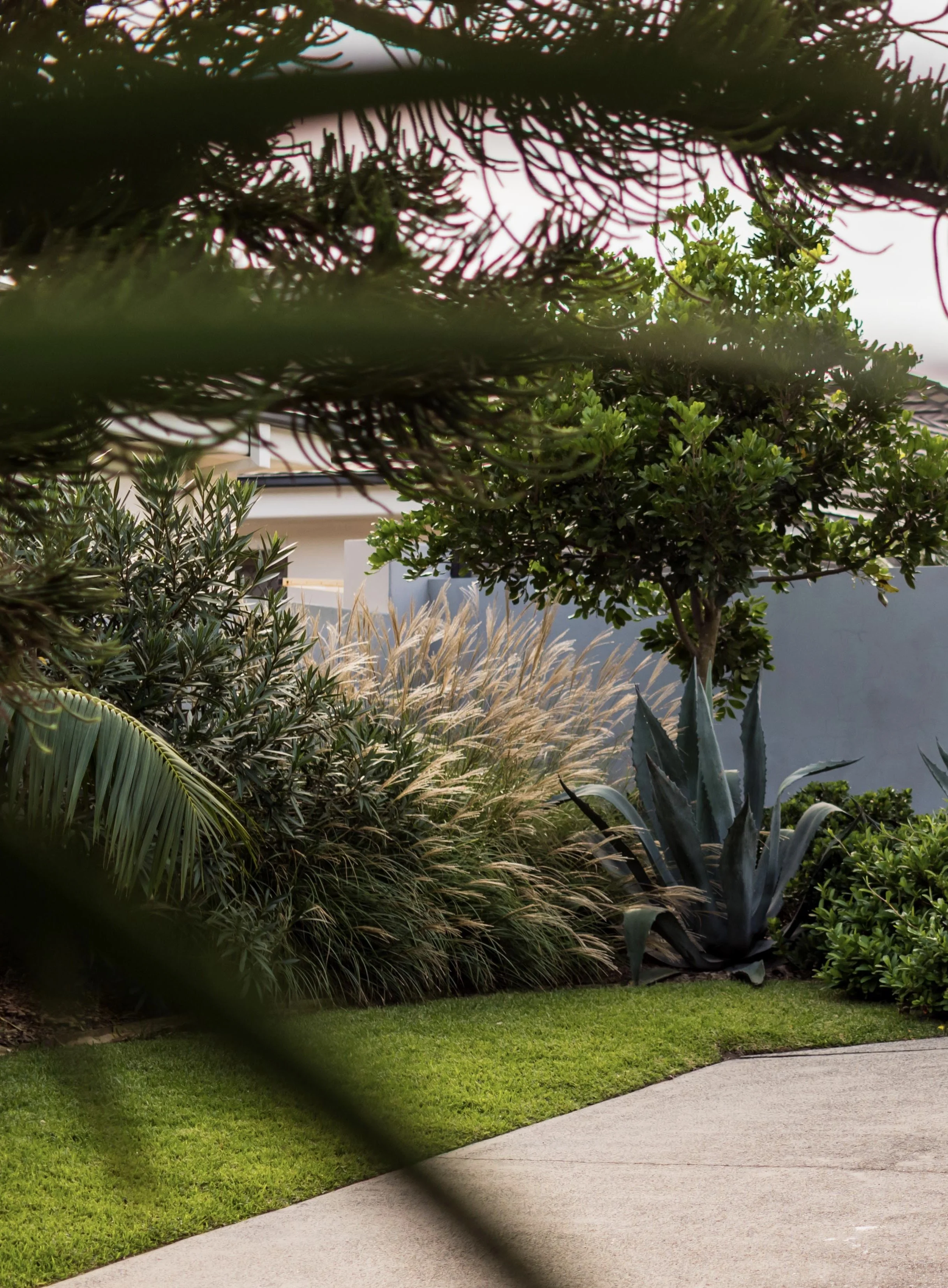
Better coordination reduces rework
A residential project can involve architects, builders, engineers, pool contractors, certifiers and other consultants. Without a clear landscape plan, external elements can easily be considered in isolation.
Stormwater, pool equipment, air-conditioning units, rainwater tanks, service connections, clotheslines, bins and construction access all require space. If their locations are decided without considering the finished landscape, they can compromise important garden areas or become costly to relocate.
Engaging a landscape designer early creates an opportunity for these practical requirements to be coordinated before construction progresses too far.
Early planning creates a clearer budget
A considered landscape plan also provides a more realistic understanding of the overall project cost.
Major expenses are often tied to site preparation, access, excavation, drainage, retaining walls and structural work rather than the final selection of plants or paving. Identifying these elements early helps establish where the budget will have the greatest impact and where the design may need to be simplified.
It also allows materials, construction methods and the size of outdoor areas to be assessed before they are locked into the broader project.
Once the overall direction has been established, detailed landscape design can provide the information needed for accurate pricing, approvals and construction.
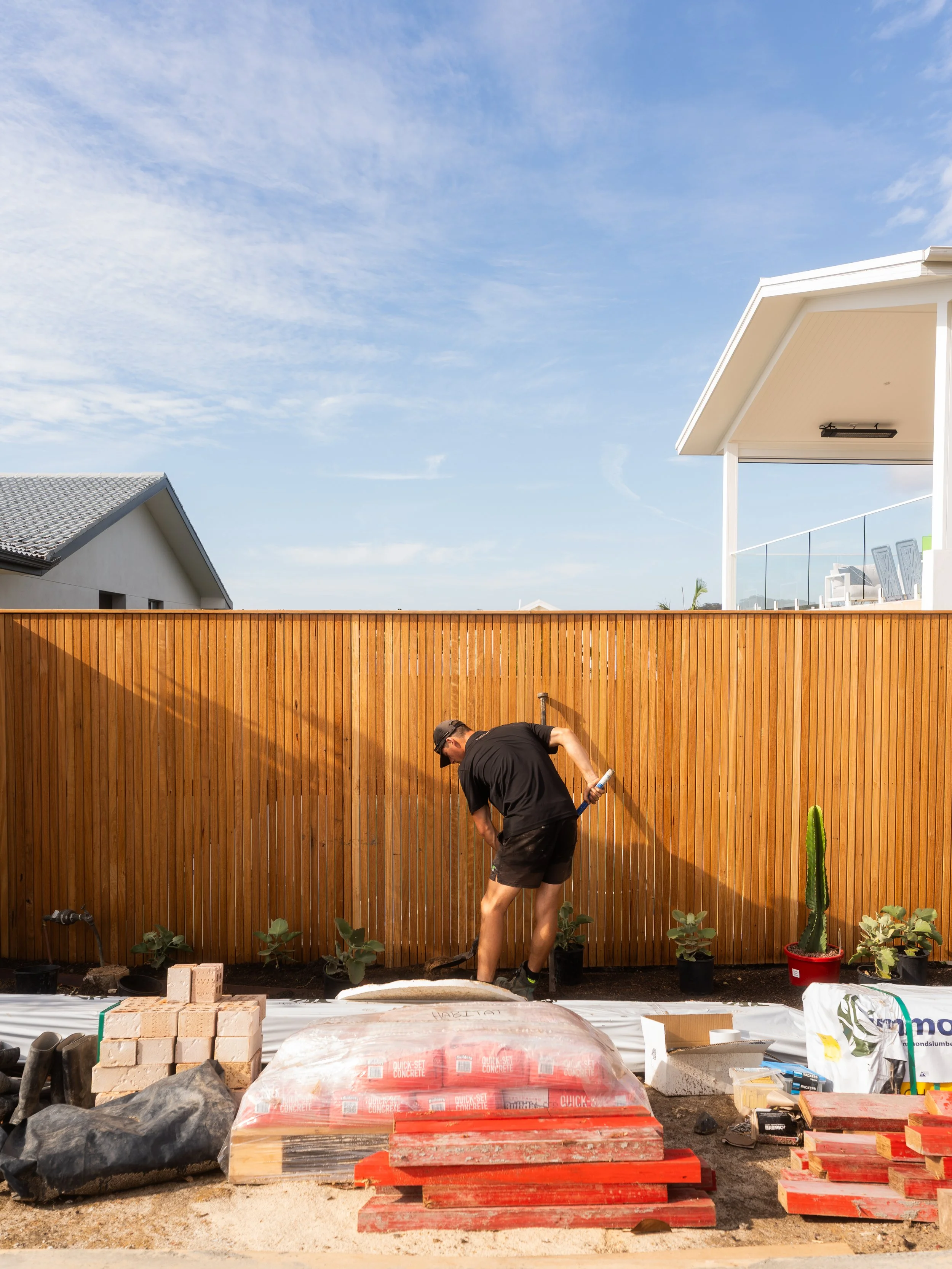
Early planning creates a clearer budget
A considered landscape plan also provides a more realistic understanding of the overall project cost.
Major expenses are often tied to site preparation, access, excavation, drainage, retaining walls and structural work rather than the final selection of plants or paving. Identifying these elements early helps establish where the budget will have the greatest impact and where the design may need to be simplified.
It also allows materials, construction methods and the size of outdoor areas to be assessed before they are locked into the broader project.
Once the overall direction has been established, detailed landscape design can provide the information needed for accurate pricing, approvals and construction.
Planning early does not mean building everything at once
For many properties, the landscape will be completed in stages. Early planning is still valuable.
A landscape masterplan can establish the long-term structure of the property while allowing individual areas to be constructed as time and budget permit. Services can be positioned for future use, access can be protected and early work can be completed without limiting what is possible later.
This is especially useful for new homes, larger properties and projects where a pool, studio, entertaining area or additional garden spaces may be added over time.

So, when is the right time to engage a landscape designer?
Ideally, a landscape designer should become involved during the concept or design-development stage of a new home or major renovation—before external levels, services and access have been finalised.
For an existing home, the best time is usually before demolition, structural work or major changes to the garden begin. The design does not need to resolve every plant or material immediately. Early involvement is about establishing the important relationships and creating a clear direction for the property.
Good landscape planning allows decisions to be tested before they become expensive to change. The result is not simply a better garden, but a home and landscape that feel as though they were always intended to belong together.
